2026-10-27
Quick guide to the Arabic script (lite)
Due to recent conlanging efforts, I thought a quick guide for this would be proper. All my website pages assume familiarity with Arabic script, but I don't want to spend a TIR page talking about how to read it as that's general, non-TIR-specific knowledge. So this blog seems the most proper place.
Contents
Disclaimer: I haven't been learning Arabic, but Uyghurche instead. Arabic has a few more letter types that Uyghurche doesn't have. It shouldn't be hard to look them up, though, if you already have an idea how the other letters work! This guide would suffice for learning to read Uyghurche text (and of course Bauhinian), which will honestly carry over to quite a few other languages too, like Uzbek, Kazakh, though I think a lot of them use Cyrillic more. That's also worth learning. Also I will teach you to read as in eyes, not mouth. Just reading and writing the text.
Anyway, back on topic.
Overview
The script is written right-to-left, and all the letters in a word are connected to each other. (Actually that's a lie. Not all the characters are connected. Some letters are evil. You'll see.)
There is no uppercase or lowercase.
Each letter has four forms: initial, medial, final, and isolated. Some letters lack initial and medial forms.
- When there's a letter connecting after you but none before you, you take the initial form, because it's like you're at the start of a word.
- When there's a letter connecting before you but none after, you take the final form, like you're at the end of a word.
- When there are letters connecting to both before and after you, you take the medial form, like you're in the middle of a word.
- When there are no letters connecting to you, you take the isolated form, like you're your own, single-letter word.
There are some basic shapes where all the letters in the shape function similarly, so I'll talk about each shape with one example letter.
Letters
B, P, T, N
Just slightly different in that ن is more round, while ب is flatter.
Letters that look like ب include: پ (P) and ت (T). One with more dots, one with dots at the top.
| Name | Final | Medial | Initial | Isolated |
|---|---|---|---|---|
| B | ـب | ـبـ | بـ | ب |
| P | ـپ | ـپـ | پـ | پ |
| T | ـت | ـتـ | تـ | ت |
| N | ـن | ـنـ | نـ | ن |
See how the N is just a bit rounder in the final and isolated forms? The medial and initial are the same. Let's connect them together.
بپتن پنتب
(BPTN PNTB gibberish) My vocabulary isn't versatile enough to come up with valid words with so few letters so expect some gibberish at first.
I, Y, Ë
This is also very similar to the ones above, just with different isolated and final forms.
Similar letters include ي (Y), ې (Ë), and a special one: ئ. The last letter there is a syllable separator in-between two vowels to signify they belong to different syllables, also required at the start of a word if the word starts with a vowel.
| Name | Final | Medial | Initial | Isolated |
|---|---|---|---|---|
| I | ـى | ـىـ | ىـ | ى |
| Y | ـي | ـيـ | يـ | ي |
| Ë | ـې | ـېـ | ېـ | ې |
| Separator | / | ـئـ | ئـ | / |
The final form here makes it look a little sharp, which I adore, but many fonts have it look more like the isolated form, more curved. This font (Noto Sans Arabic) collapsed the curving back part into a sharp turn.

Let's connect them.
پىن نېپ ئېيت ئىنى ئىىىىىى
(pin, nëp, ëyt (sing), ini (little brother) iiiiii)
Notice how "ëyt" and "ini" have four characters but three sounds? Yeah, since the start of the word is a vowel, the marker has to be used. Also now you need to get better at counting those little bumps now. There are 6 i's in the last example.
R, Z, J
Now comes the ones with fewer forms. ر (R) and its similar letters, ز (Z) and ژ (J), don't have initial or medial forms.
| Name | Final | Medial | Initial | Isolated |
|---|---|---|---|---|
| R | ـر | ر | ||
| Z | ـز | ز | ||
| J | ـژ | ژ |
What does this mean? It means that, if a letter comes after one of these, that letter will treat itself as if no letter had come before. These letters don't exist to them.
زبـ
See? See how the B is using its initial form, despite the Z being right there? That's what happens, when the previous letters don't have initial forms! The next letter takes on the initial form instead! (Well, if the next letter also has no initial form, then just keep using the isolated form until someone appears… Or not.)
Examples!
ئېزىز زىپ ژپبزپبر
(ëziz (dear, treasured, can also be a boy name), zip, jpbzpbr)
D, E
| Name | Final | Medial | Initial | Isolated |
|---|---|---|---|---|
| D | ـد | د | ||
| E | ـە | ە |
These are basically like the ones above! Note that the stroke order isn't super important, but for the final E I think it's more commonly written in a different direction from the isolated one.
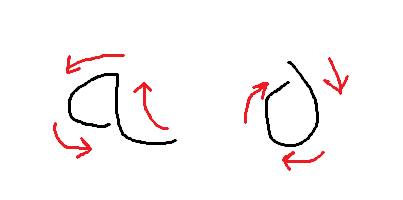
بەزى، پەن، دەر
(bezi (some), pen (science), der (pain))
O, U, Ö, Ü, W
Here comes the vowels!
| Name | Final | Medial | Initial | Isolated |
|---|---|---|---|---|
| O | ـو | و | ||
| U | ـۇ | ۇ | ||
| Ö | ـۆ | ۆ | ||
| Ü | ـۈ | ۈ | ||
| W | ـۋ | ۋ |
Practically the same as R, Z, and J, just with a circle instead.
ئون، ئۇ، ئۇزۇن، ئۇن
(on (ten), u (that), uzun (long), un (flour))
Q, F
These have slightly different finals and isolateds again.
| Name | Final | Medial | Initial | Isolated |
|---|---|---|---|---|
| Q | ـق | ـقـ | قـ | ق |
| F | ـف | ـفـ | فـ | ف |
Nice little circle. F is just a little longer than Q, and Q goes deeper too.
فوتو، قىيىن، فقفقفق
(foto (photo), qiyin (difficult), fqfqfq)
Soooorrrry I'm bad at thinking up words that contain these letters but not any letter I haven't taught you yet.
GH
| Name | Final | Medial | Initial | Isolated |
|---|---|---|---|---|
| GH | ـغ | ـغـ | غـ | غ |
The medial form is a bit similar to F, but note that the turns here are sharper, while F's are completely a circle.
يىغ، يېغىن، ئېغىز، ئېغىر، قىزغىن، قىرغىز
(yigh (collect), yëghin (meeting), ëghiz (mouth), ëghir (important), qizghin (passionate), qirghiz (Kyrgyz))
X, ZH, CH
| Name | Final | Medial | Initial | Isolated |
|---|---|---|---|---|
| ZH | ـج | ـجـ | جـ | ج |
| CH | ـچ | ـچـ | چـ | چ |
| X | ـخ | ـخـ | خـ | خ |
Now come these! The main thing about them is that, in the medial and final forms, you have to lift your pen up and put it back down when writing, instead of writing in one uninterrupted flow, despite them being still technically connected.
جۈمە، ئىچ، دەرەخ
(zhüme (Friday), ich (inside), derex (tree))
S, SH
| Name | Final | Medial | Initial | Isolated |
|---|---|---|---|---|
| S | ـس | ـسـ | سـ | س |
| SH | ـش | ـشـ | شـ | ش |
Now these two, especially S, may be confused for two I's together. This can be mitigated by the fact that two I's usually won't be together. But what if an S is next to an I? If you're familiar with the word, you'd be able to tell, but if not, some fonts will have the spikes in S be closer together, as well as the middle spike be a bit lower than the outer two. And there's always the trick of highlighting letters to see if the entire chunk lights up at once!
When writing, it's nice to take extra care to smush the spikes closer together and make the middle one lower.
ئىسسىق، ئۇسسۇل، ئىشچى
(issiq (hot), ussul (dance), ishchi (worker))
A, L
| Name | Final | Medial | Initial | Isolated |
|---|---|---|---|---|
| A | ـا | ا | ||
| L | ـل | ـلـ | لـ | ل |
Both of these are long lines! How do I tell them apart? Fear not. The A does not have an initial or medial form. This means it never connects to the next letter. While the L always does! So look:
ئاي — لي
See how the Y is connected to L but not to A? That's how you tell them apart! At the end of a word, the L has a big fancy loop while the A does not.
Note that for LA, these two are combined into one: لا.
| Name | Final | Medial | Initial | Isolated |
|---|---|---|---|---|
| LA | ـلا | لا |
Despite the isolated form looking like it's written as one stroke, I think in handwriting you write it more similar to the final form, as two strokes.
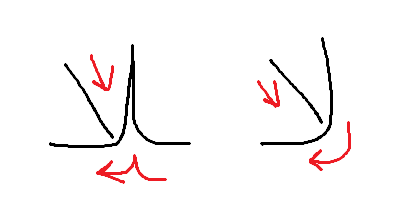
ياش، پاسسىپ، چاغان، ياشلىق، لازا
(yash (youth), passip (passive), chaghan (spring festival), yashliq (young), laza (chili))
K, G, NG
| Name | Final | Medial | Initial | Isolated |
|---|---|---|---|---|
| K | ـك | ـكـ | كـ | ك |
| G | ـگ | ـگـ | گـ | گ |
| NG | ـڭ | ـڭـ | ڭـ | ڭ |
These, like X, ZH, and CH, are broken in the middle despite still being connected! Note how the G has a different isolated and final form: it has the zig-zag-looking form but no cradle-looking form.
To write the zig-zag-looking form, I've seen two different styles that are both fine. One writes it as one continuous line, and another separates it into two.
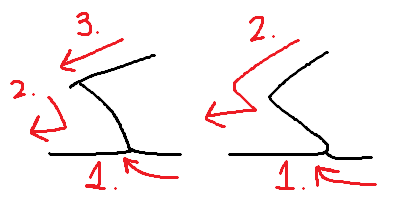
In the second scenario, the third, top stroke, will be written last, like the dots in the other letters.
I like the second one better personally because it helps control the height of these letters — the base part of the zig-zag is the same height as a D. See for yourself: كد.
ئەڭ، ساڭزا، بۈگۈن، ئىككى
(eng (the most), sangza (sangza), bügün (today), ikki (two))
M
Dunno why I left such a common letter for so late but I was ranking by shape uniqueness not overall frequency so yeah.
| Name | Final | Medial | Initial | Isolated |
|---|---|---|---|---|
| M | ـم | ـمـ | مـ | م |
Again, there's no hard rule on how to write this; just make sure that for the medial form, the loop forms at the top — unlike F, Q, or even GH, where the criss-cross is at the bottom.
رەسىم، موما
(resim (image), moma (grandma))
H
| Name | Final | Medial | Initial | Isolated |
|---|---|---|---|---|
| H | ـھ | ـھـ | ھـ | ھ |
This ugly beast comes last. I think that in Arabic, this letter is the same as E. Here it's separated.
The medial form looks like this when handwritten:
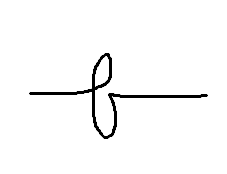
ھېچكىم، ناھايىتى، تەنھەرىكەت
(hëchkim (anyone (it's actually pronounced hëshkim)), nahayiti (very), tenheriket (P.E.))
Handy chart
I should've did this first and then copied it over to the sections. Now I'm painfully pasting them together and changing the order to be alphabetical. Enjoy.
| Name | Final | Medial | Initial | Isolated |
|---|---|---|---|---|
| A | ـا | ا | ||
| E | ـە | ە | ||
| B | ـب | ـبـ | بـ | ب |
| P | ـپ | ـپـ | پـ | پ |
| T | ـت | ـتـ | تـ | ت |
| ZH | ـج | ـجـ | جـ | ج |
| CH | ـچ | ـچـ | چـ | چ |
| X | ـخ | ـخـ | خـ | خ |
| D | ـد | د | ||
| R | ـر | ر | ||
| Z | ـز | ز | ||
| J | ـژ | ژ | ||
| S | ـس | ـسـ | سـ | س |
| SH | ـش | ـشـ | شـ | ش |
| GH | ـغ | ـغـ | غـ | غ |
| F | ـف | ـفـ | فـ | ف |
| Q | ـق | ـقـ | قـ | ق |
| K | ـك | ـكـ | كـ | ك |
| G | ـگ | ـگـ | گـ | گ |
| NG | ـڭ | ـڭـ | ڭـ | ڭ |
| L | ـل | ـلـ | لـ | ل |
| M | ـم | ـمـ | مـ | م |
| N | ـن | ـنـ | نـ | ن |
| H | ـھ | ـھـ | ھـ | ھ |
| O | ـو | و | ||
| U | ـۇ | ۇ | ||
| Ö | ـۆ | ۆ | ||
| Ü | ـۈ | ۈ | ||
| W | ـۋ | ۋ | ||
| I | ـى | ـىـ | ىـ | ى |
| Y | ـي | ـيـ | يـ | ي |
| Ë | ـې | ـېـ | ېـ | ې |
| Separator | ـئـ | ئـ |
Stroke order
Generally stroke order doesn't matter as much as it does in say Chinese, but it's worth noting that a good practice is to finish the trunk of the entire word first, before adding in the dots (and the third top stroke in K, G, and NGs if you choose to write it like that. If you chose to write them as one stroke, the top stroke in G and the dots in NG should still be written last). Even if in the middle of the word there are breaks (due to letters with no initial forms), you should finish the word first.
Numbers
Arabic (ironically) numerals are written left-to-right still. So yes it's a left-to-right segment inside what's an otherwise right-to-left text.
مەن 328,639 كومپيۇتېر يېرىم.
(men 328,639 kompyutër yërim.)
So the number would be read left-to-right, a mere 300 thousand computers eaten, and not 900 thousand. That would be absurd.
Notice how the comma in the number is right side up, a "," and not a "،"? Yeah that's something to watch out for, but I don't think in casual contexts it matters all that much.
I think that's pretty much it. Worth noting that, even though now you will be able to spell out most if not all regular Uyghurche words, simply learning the script is a far cry from actually being able to read anything. In English if you encounter an unfamiliar word, you will also hesitate a bit to read and pronounce it; and when reading another Latin script language you don't know, you would struggle pronouncing things even when you know all the letters and pronunciation rules. Reading and fluency in a specific language comes hand in hand.
But hey, hopefully you can start reading Bauhinian text now!