Categories: Lore
Alphabet
The Bauhinian Alphabet.
The Bauhinian Empire had a universal language and alphabet. Even long after the empire split apart, everyone still spoke the same language and wrote the same script.
See how it looks like with the Bauhinian text converter!
Contents
What do they speak?
I would say they speak their own language, different from all of ours.
Truth is, it doesn't really matter, as long as everyone is speaking the same language. When I write about them, they speak in whatever language I'm writing in, which can only be Chinese and English. If other people write about them in another language, they'd be speaking that language. Whatever language they're speaking, the puns specific to that language would always make sense.
People in TIR are named after concepts (for the most part; exceptions will always be present). For example, Willow is named after the tree, and Amber is named after the gemstone. In another language, their names would simply be whatever the willow tree and amber stone is called in that language1.
I made this writing system in a maniacal spree in one night. It is inspired by the Uyghurche alphabet, which is in turn based off of the Arabic abjad2. Therefore, the Bauhinian alphabet has the features of being written from right to left, top to bottom; letters are joined together in a word, and each letter has a different way of being written, depending on their position in a word — beginning, middle, or end. It is more of a cipher, actually; designed to be directly transcribed from Uyghurche to Bauhinian.
The next day, I organized the script a little more and made it transcribable from Chinese and English as well.
The letters
The script features five base shapes, which I call: tall loops, short loops, R's, bumps, and breaks.
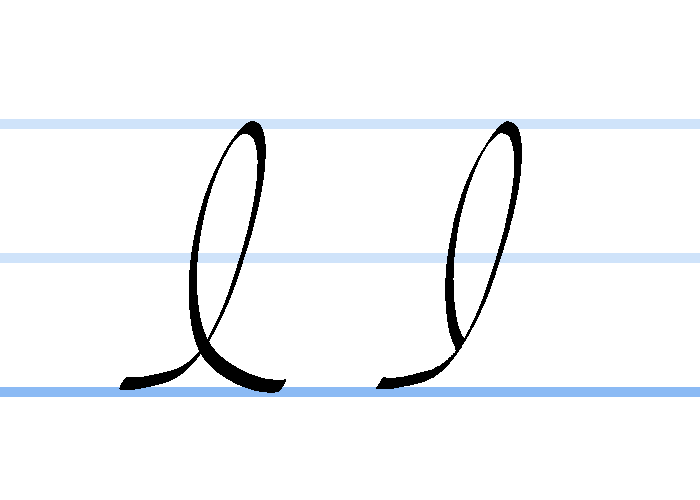
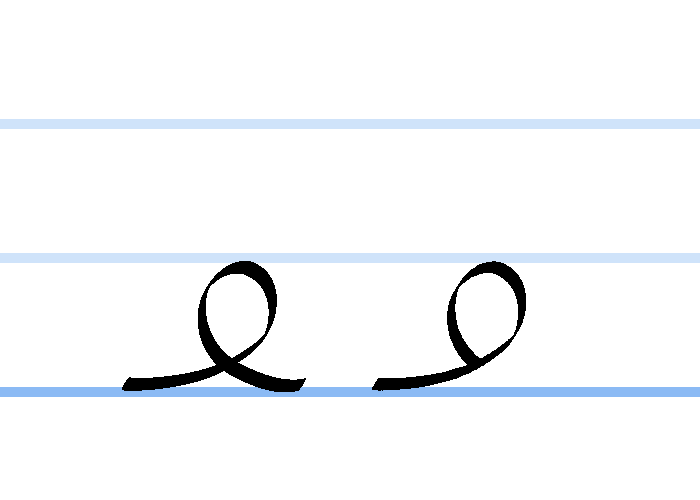
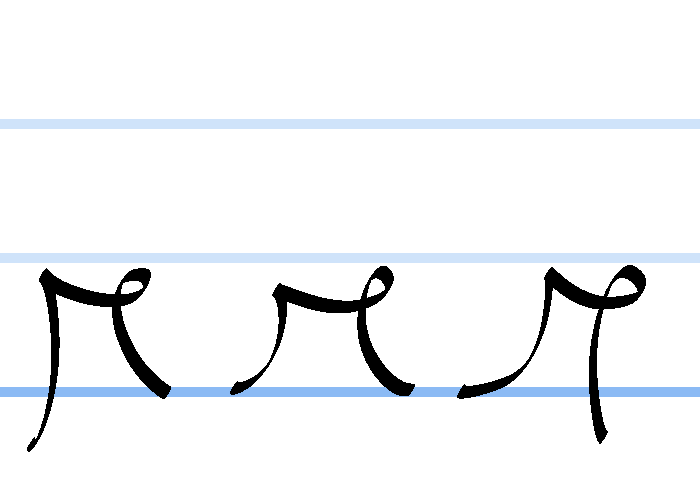
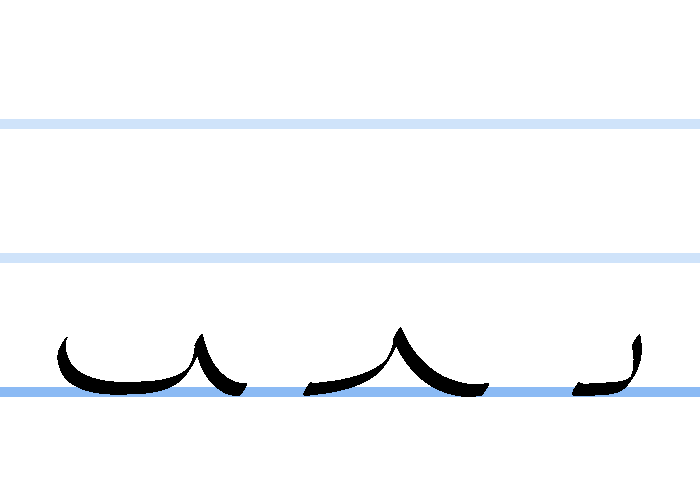
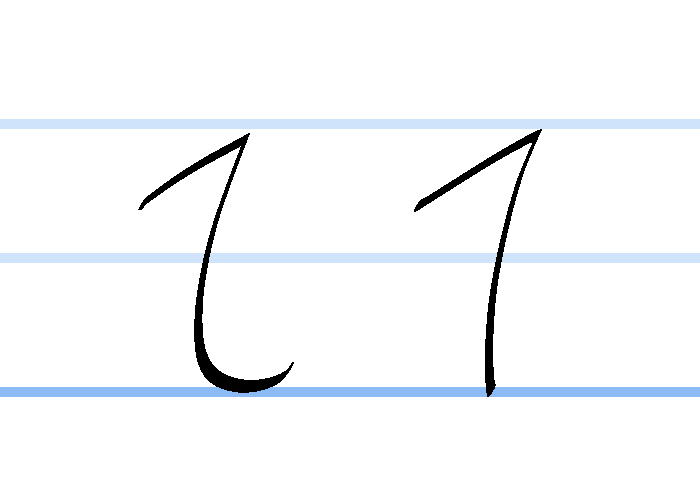
The break is called a break because it's the only base shape that causes a break in the writing flow — meaning you have to lift your pen up to continue.
The letters are then constructed by adding diacritics to these base shapes. Diacritics include a dot, a line (horizontal, vertical, or slanted), or an arrow (four directions).
Vowels are tall loops, and consonants hog the four other base shapes, with the exception of L, which is a tall loop with no diacritic.
Transcription
Following are four tables for transcription from Uyghurche, Chinese, and English to Bauhinian, and one to transcribe from Bauhinian.
Uyghurche
| Uyghurche | Bauhinian | Composition |
|---|---|---|
| ئا | 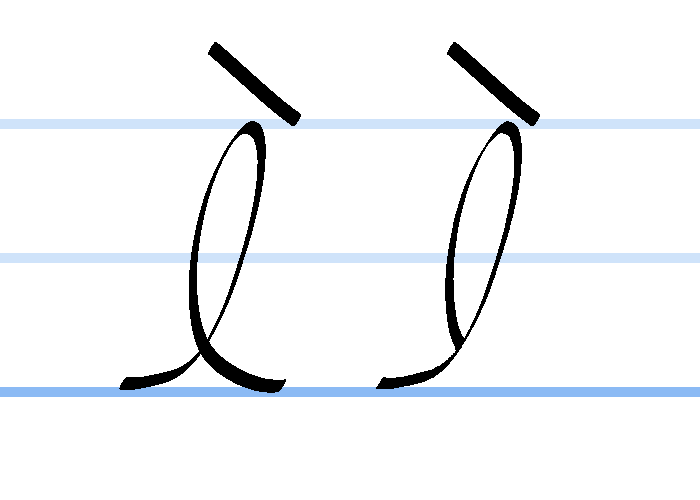 |
Tall loop + right slant |
| ئە | 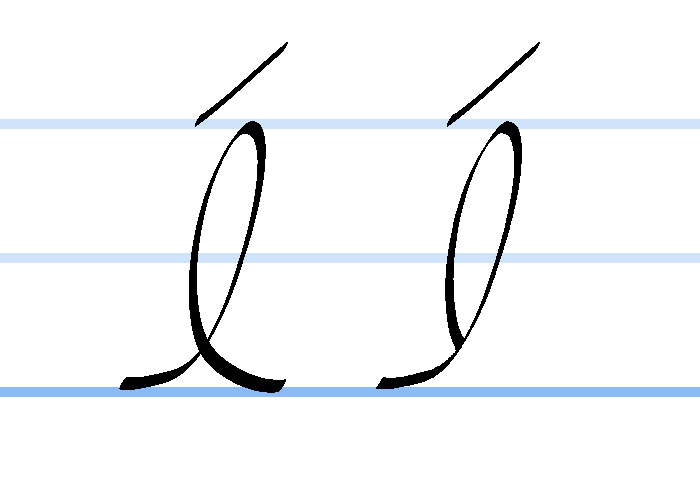 |
Tall loop + left slant |
| ب | 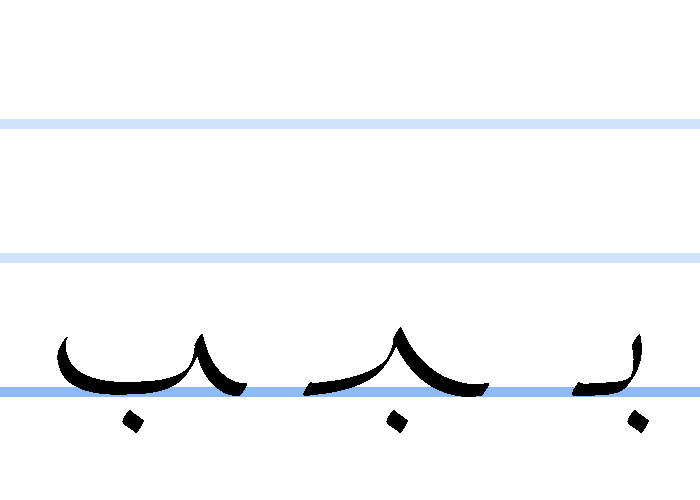 |
Bump + bottom dot |
| پ | 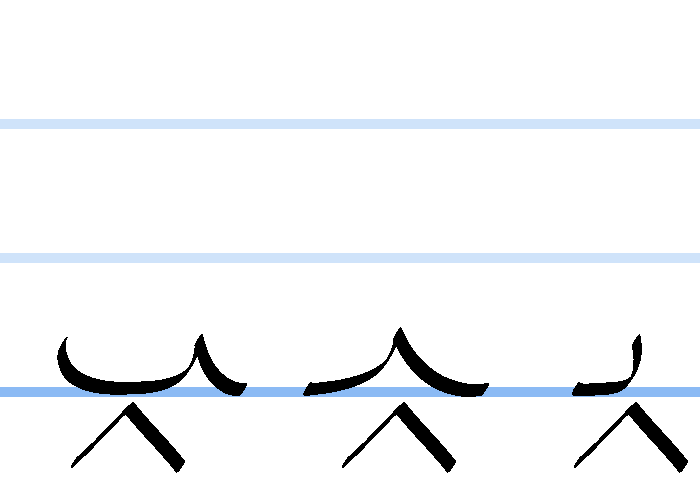 |
Bump + bottom arrow up |
| ت | 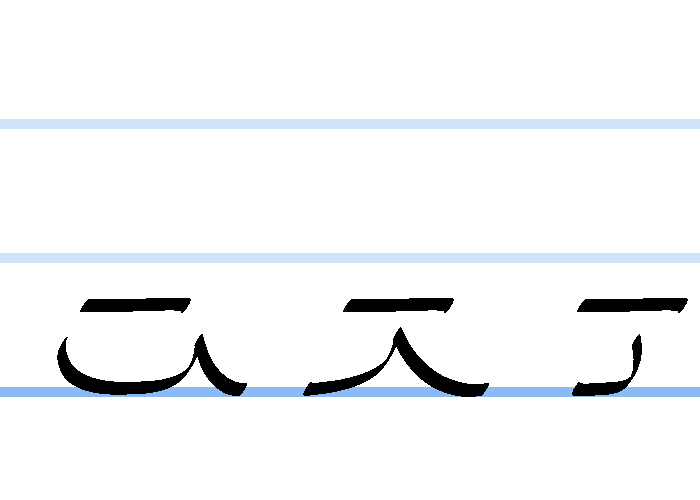 |
Bump + top horizontal |
| ج | 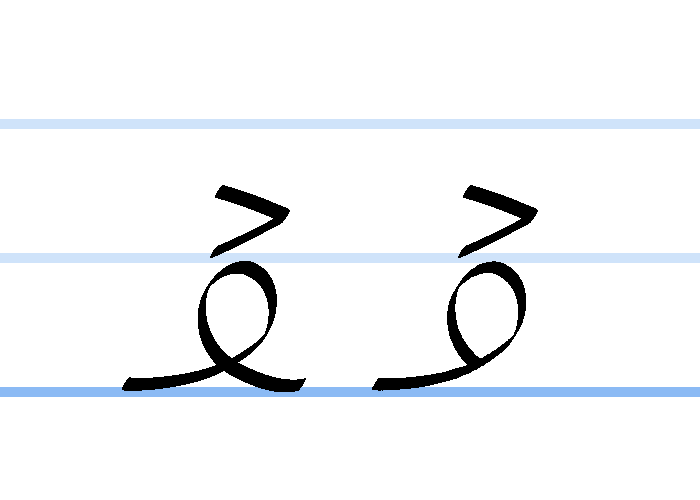 |
Short loop + arrow right |
| چ | 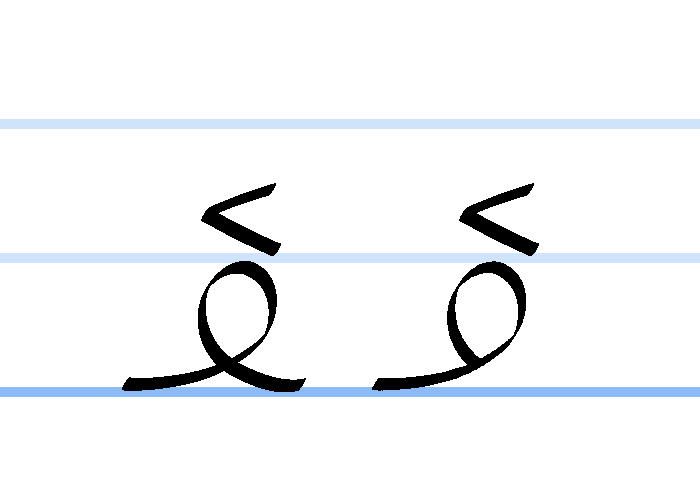 |
Short loop + arrow left |
| خ |  |
Short loop + dot |
| د | 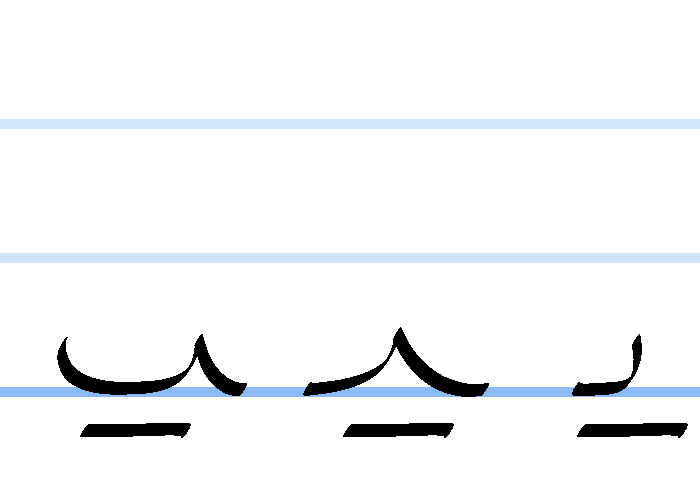 |
Bump + bottom horizontal |
| ر | |
R |
| ز |  |
R + dot |
| ژ | 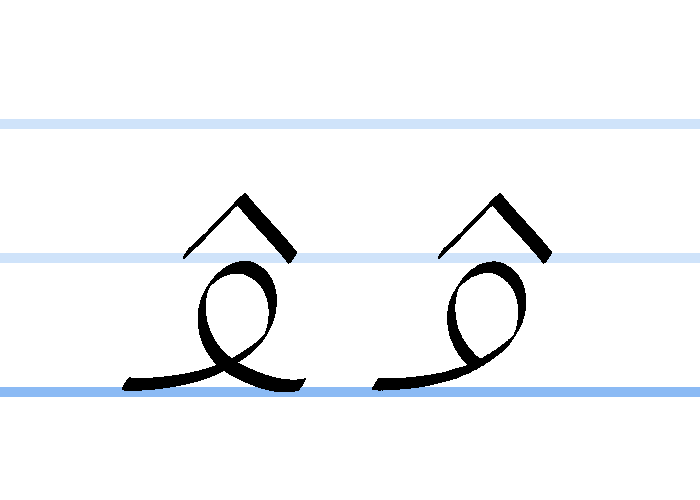 |
Short loop + arrow up |
| س | |
Short loop |
| ش | 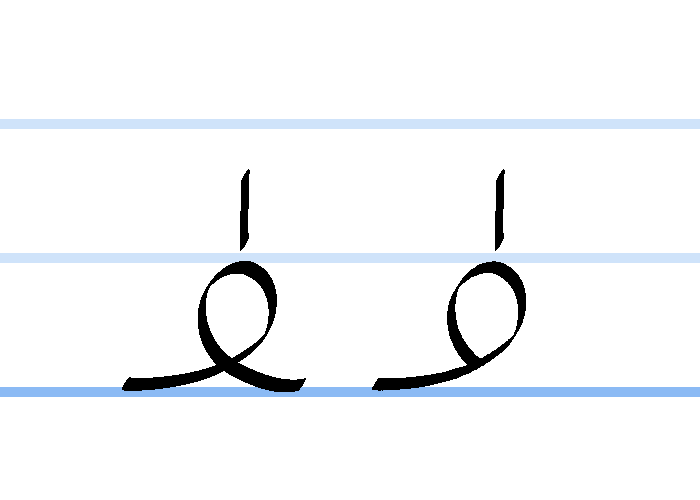 |
Short loop + vertical |
| غ | 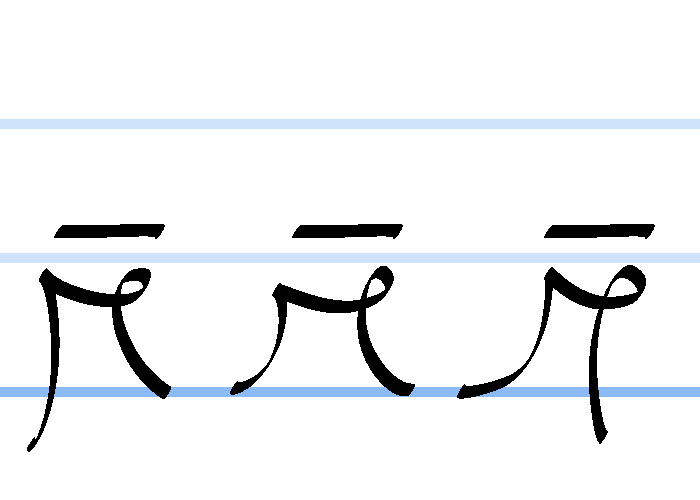 |
R + horizontal |
| ف | 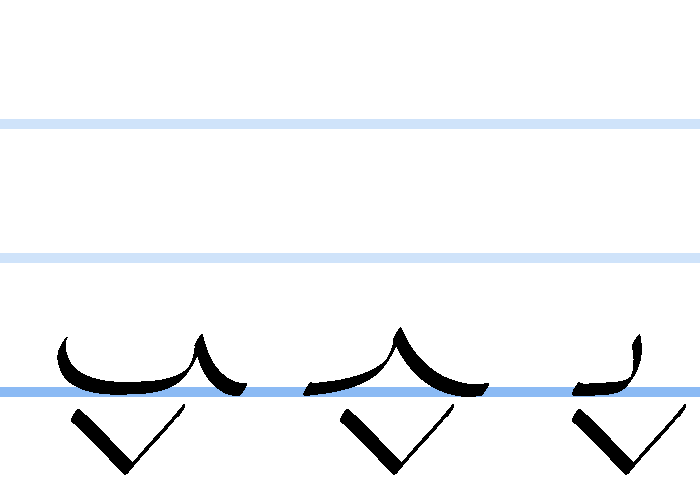 |
Bump + bottom arrow down |
| ق | 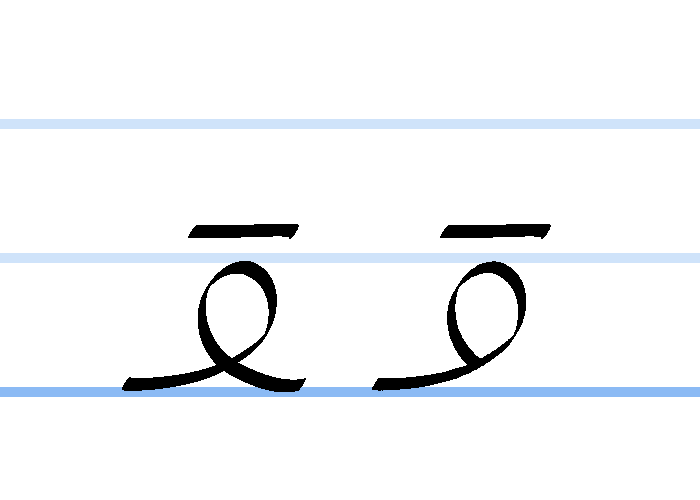 |
Short loop + horizontal |
| ك | |
Break |
| گ | 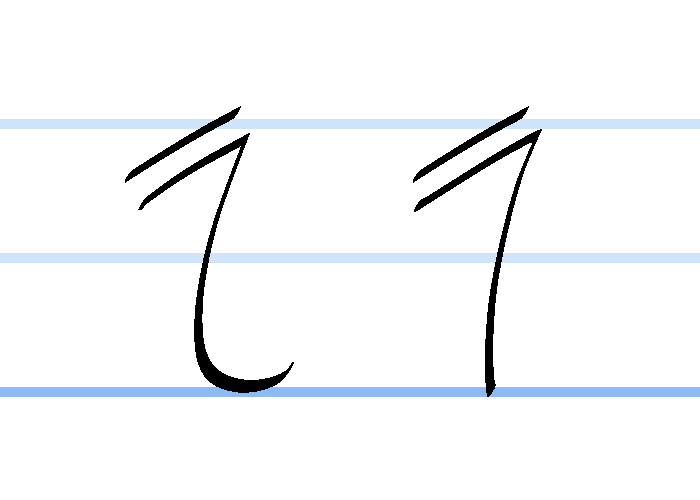 |
Break + horizontal |
| ڭ | 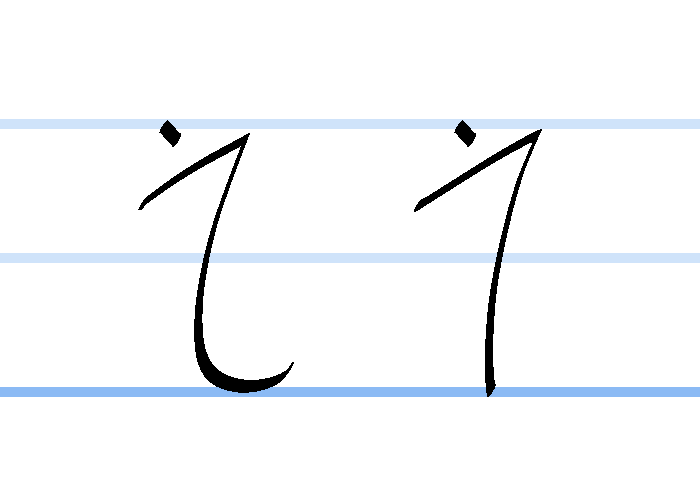 |
Break + dot |
| ل | |
Tall loop |
| م | 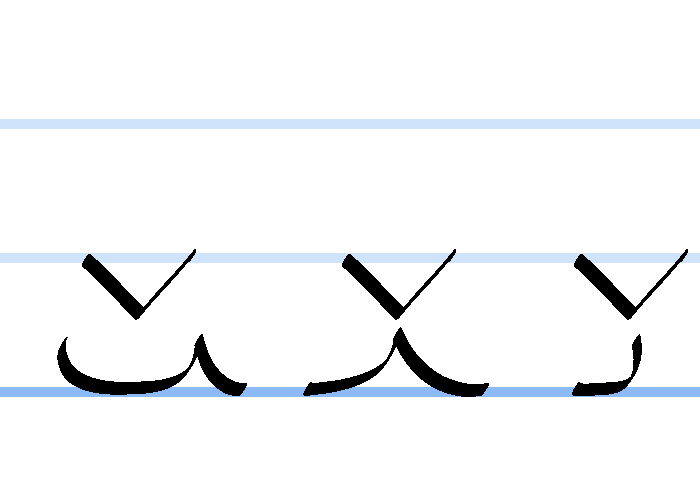 |
Bump + top arrow down |
| ن | 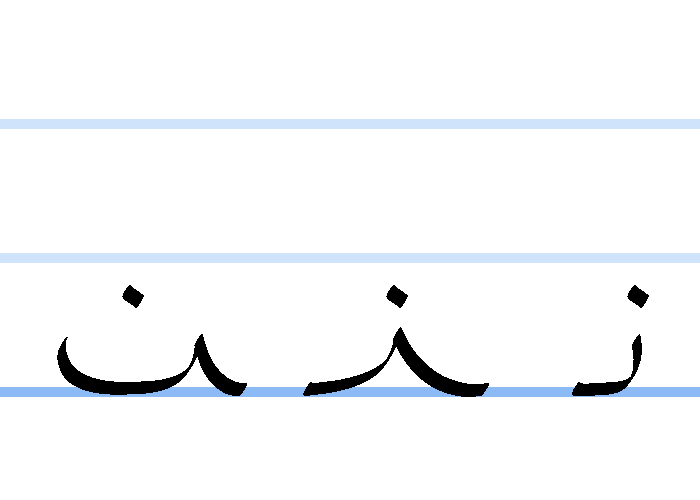 |
Bump + top dot |
| ھ | 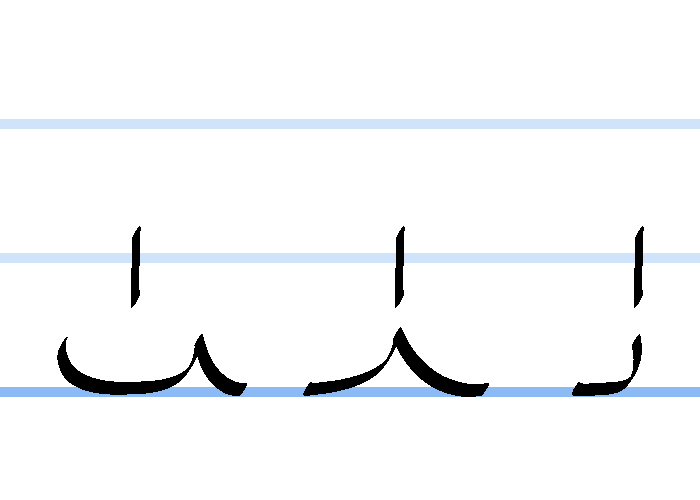 |
Bump + top vertical |
| ئو | 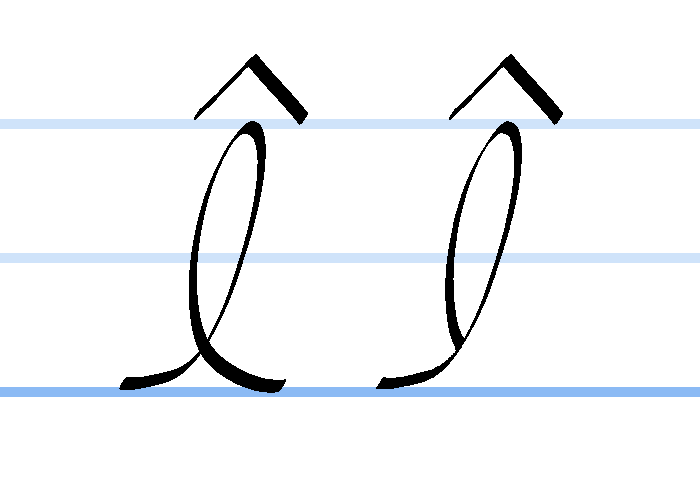 |
Tall loop + arrow up |
| ئۇ | 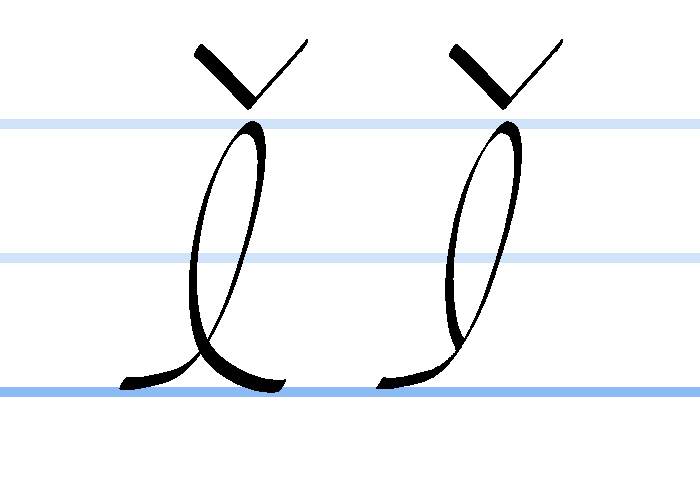 |
Tall loop + arrow down |
| ئۆ | 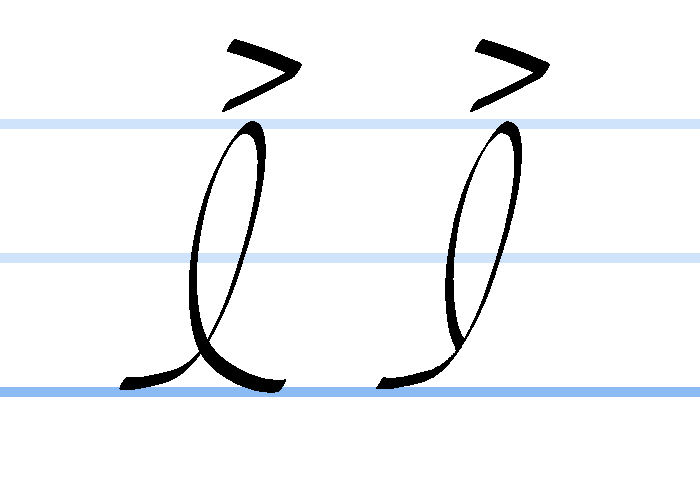 |
Tall loop + arrow right |
| ئۈ | 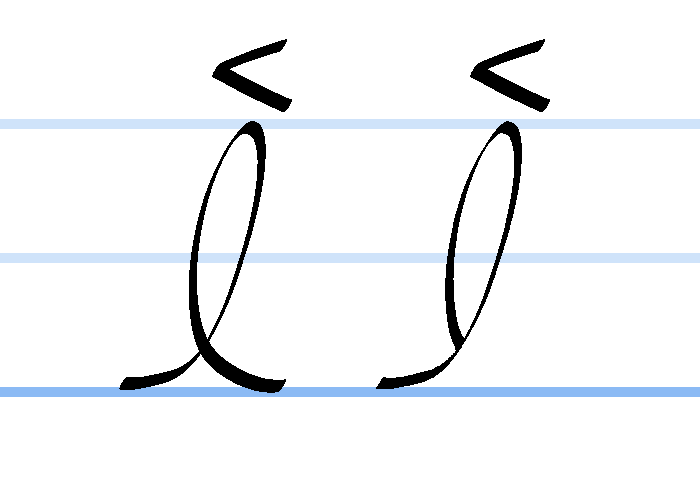 |
Tall loop + arrow left |
| ۋ | 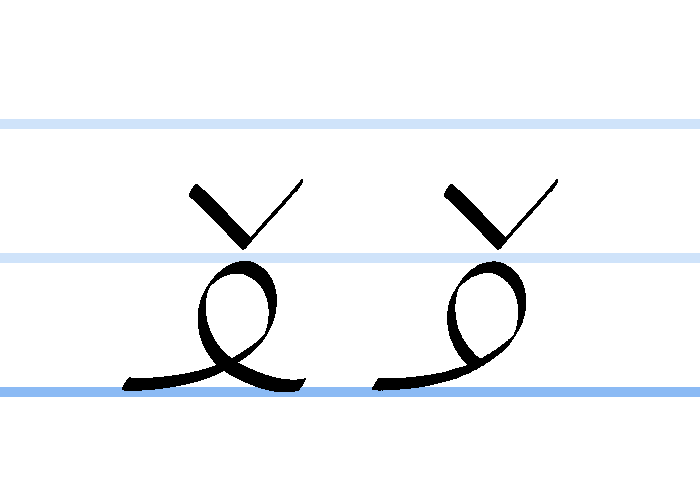 |
Short loop + arrow down |
| ئې | 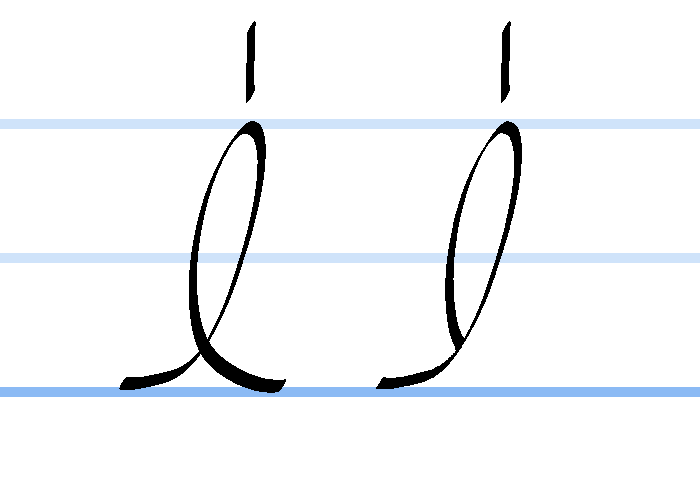 |
Tall loop + vertical |
| ئى | 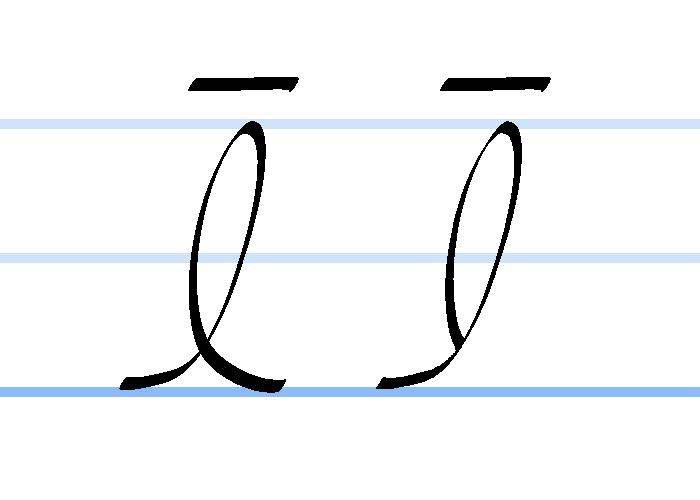 |
Tall loop + horizontal |
| ي | |
Bump |
Chinese
| Pinyin | Bauhinian | Composition |
|---|---|---|
| a | |
Tall loop + right slant |
| o | |
Tall loop + arrow up |
| e | |
Tall loop + left slant |
| i | |
Tall loop + horizontal |
| u | |
Tall loop + arrow down |
| ü | |
Tall loop + arrow left |
| b | |
Bump + bottom dot |
| p | |
Bump + bottom arrow up |
| m | |
Bump + top arrow down |
| f | |
Bump + bottom arrow down |
| d | |
Bump + bottom horizontal |
| t | |
Bump + top horizontal |
| n | |
Bump + top dot |
| l | |
Tall loop |
| g | |
Break + horizontal |
| k | |
Break |
| h | |
Bump + top vertical |
| j | |
Short loop + arrow up |
| q | |
Short loop + horizontal |
| x | |
Short loop + dot |
| zh | |
Short loop + arrow right |
| ch | |
Short loop + arrow left |
| sh | |
Short loop + vertical |
| r | |
R |
| z | |
R + dot |
| c | 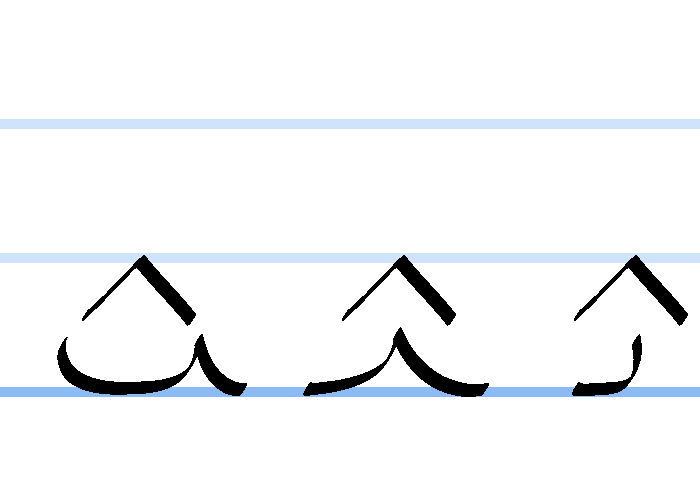 |
Bump + top arrow up |
| s | |
Short loop |
| y | |
Bump |
| w | |
Short loop + arrow down |
| ng | |
Break + dot |
The ng consonant is a special one that does not exist in the standard pinyin chart, but I added it in to reduce the amount of symbols needed.
English
| Letter | Bauhinian | Composition |
|---|---|---|
| a | |
Tall loop + right slant |
| b | |
Bump + bottom dot |
| c | |
Bump + top arrow up |
| d | |
Bump + bottom horizontal |
| e | |
Tall loop + left slant |
| f | |
Bump + bottom arrow down |
| g | |
Break + horizontal |
| h | |
Bump + top vertical |
| i | |
Tall loop + horizontal |
| j | |
Short loop + arrow up |
| k | |
Break |
| l | |
Tall loop |
| m | |
Bump + top arrow down |
| n | |
Bump + top dot |
| o | |
Tall loop + arrow up |
| p | |
Bump + bottom arrow up |
| q | |
Short loop + horizontal |
| r | |
R |
| s | |
Short loop |
| t | |
Bump + top horizontal |
| u | |
Tall loop + arrow down |
| v | 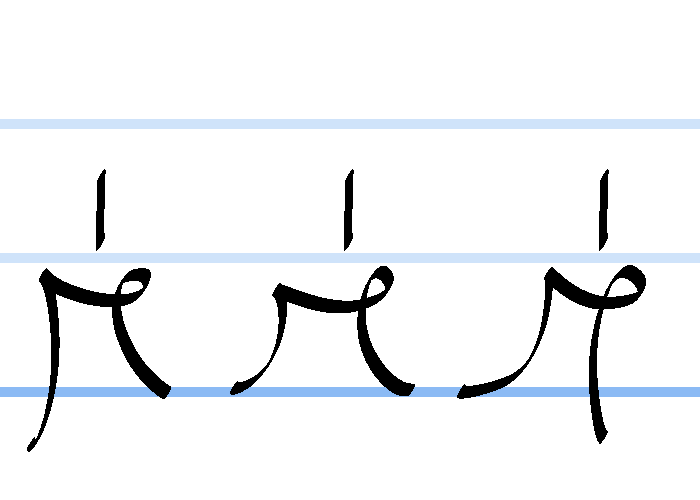 |
R + vertical |
| w | |
Short loop + arrow down |
| x | |
Short loop + dot |
| y | |
Bump |
| z | |
R + dot |
Bauhinian order
| No. | Bauhinian | Composition | Uyghurche | Pinyin | English |
|---|---|---|---|---|---|
| 1 | |
Tall loop | ل | l | l |
| 2 | |
Tall loop + horizontal | ئى | i | i |
| 3 | |
Tall loop + vertical | ئې | ||
| 4 | |
Tall loop + right slant | ئا | a | a |
| 5 | |
Tall loop + left slant | ئە | e | e |
| 6 | |
Tall loop + arrow up | ئو | o | o |
| 7 | |
Tall loop + arrow down | ئۇ | u | u |
| 8 | |
Tall loop + arrow left | ئۈ | ü | |
| 9 | |
Tall loop + arrow right | ئۆ | ||
| 10 | |
Short loop | س | s | s |
| 11 | |
Short loop + horizontal | ق | q | q |
| 12 | |
Short loop + vertical | ش | sh | |
| 13 | |
Short loop + dot | خ | x | x |
| 14 | |
Short loop + arrow up | ژ | j | j |
| 15 | |
Short loop + arrow down | ۋ | w | w |
| 16 | |
Short loop + arrow left | چ | ch | |
| 17 | |
Short loop + arrow right | ج | zh | |
| 18 | |
R | ر | r | r |
| 19 | |
R + dot | ز | z | z |
| 20 | |
R + horizontal | غ | ||
| 21 | |
R + vertical | v | ||
| 22 | |
Bump | ي | y | y |
| 23 | |
Bump + top dot | ن | n | n |
| 24 | |
Bump + top horizontal | ت | t | t |
| 25 | |
Bump + top vertical | ھ | h | h |
| 26 | |
Bump + top arrow up | c | c | |
| 27 | |
Bump + top arrow down | م | m | m |
| 28 | |
Bump + bottom dot | ب | b | b |
| 29 | |
Bump + bottom horizontal | د | d | d |
| 30 | |
Bump + bottom arrow up | پ | p | p |
| 31 | |
Bump + bottom arrow down | ف | f | f |
| 32 | |
Break | ك | k | k |
| 33 | |
Break + dot | ڭ | ng | |
| 34 | |
Break + horizontal | گ | g | g |
| 35 | Bump + circle | ئ | ' |
The last character, the separation glyph, is a special one which usage will be discussed below.
Notes
- Not every Bauhinian letter is pronounced the same in every language! For example, the Chinese C is pronounced as ts while the English C is pronounced either k or s. And perhaps more notably, the X sound is pronounced differently in all three.
- Not all base shape and diacritic combinations are used, creating possibilities for more sounds not present in these three languages.
Rules
Uyghurche
The special separation character is replaces ئ except that it is not placed at the beginning when a vowel starts a word. For example, ئائىلە should be written as [img needed]
When there is a difference between spoken and writing, always transcribe the writing.
English
The separation character replaces the apostrophe in contractions.
Removing vowels from a word when it does not create ambiguity is allowed in Bauhinian English. It is usually used in casual correspondence. It is not allowed in official documents.
You can only drop vowels from words that are 4 letters or longer, as long as the resulting spelling is at least 3 letters long. Excessive dropping is frowned upon, but spelling everything out is an annoyance too.
For example, "the quick brown fox jumps over the lazy dog" can be written as "the quck brwn fox jmps ovr the lzy dog."
Chinese
Tone is indicated at the end of a character by a bump with the appropriate diacritic at the top. A lack of that means no tone.
The separation character can be used isolated to signify a duplicate of the previous character. In this case, the character has to be completely duplicated, as in they have to be the same character, not just homophones.
-
One time, when I was trying to name Natasha, I was like "I usually name my characters after things but I really like the name Natasha," and then a person suggested to me I name her after a thing but as the Russian word. Which wouldn't make sense, because concepts don't have languages. I ended up going for Natasha anyways, as you can see.
-
An alphabet is a writing system where each sound, vowel and consonant, is represented by a symbol. An abjad only contains consonants and leaves the vowels up to reader's inference. Though the two are largely similar, Arabic uses an abjad while Uyghurche uses an alphabet.